
Vertical farms are indeed a reality
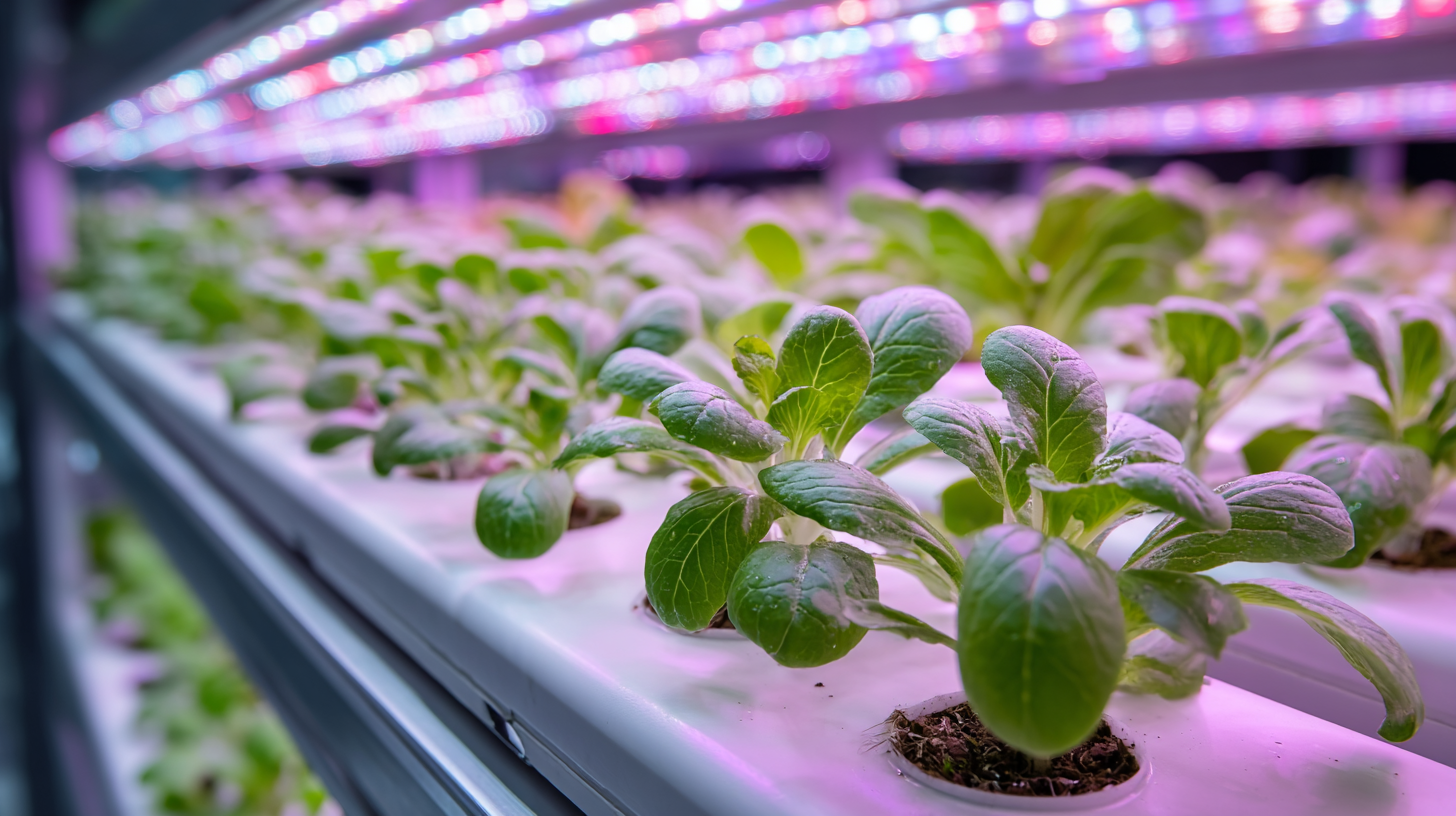
I came across an article recently that made me pause. It was one of those quiet little features tucked inside the sustainability section. Nothing dramatic or shouting for attention, yet it managed to stir something in me. It was about vertical farms. And as I read through it, I found myself thinking back to the many occasions when people had asked me what on earth we are meant to do with all the abandoned office buildings that now decorate our cities like forgotten relics. Every time the question came up, I would give a slightly different answer depending on how optimistic I felt that day. Sometimes I would say they should be turned into homes. Other times I would suggest we turn them into battery storage facilities or energy hubs. And then there was that one idea that I would throw out for fun, imagining the baffled expressions it caused. I would say, why not turn them into indoor farms. It always raised an eyebrow or two.
The irony is that I had no idea the world was already moving in that direction. While I was busy daydreaming out loud, other people had quietly been building these futuristic farms inside old warehouses and empty buildings. The article described entire floors filled with stacked layers of plants growing upwards instead of outwards. Suddenly my whimsical comments did not feel so whimsical anymore. They felt more like I had glimpsed the future without realising it.
We really do have a problem with land availability and unpredictable weather and global supply chains that can fold on themselves from the slightest disruption. You only need to remember the chaos caused when shipping containers backed up at ports. One delay on the other side of the world and everything falls apart here. Vertical farming begins to look less like a novelty and more like common sense. Instead of relying on whatever the British weather decides to do, we use controlled systems that adjust temperature, humidity and light with absolute precision. Instead of fields, we use height. And instead of pesticides, we grow food in clean, monitored environments. You can practically hear the planet breathing a small sigh of relief.
What fascinates me most is not the technology, although that part is impressive. It is the way these farms reimagine what a city can be. Picture the same skyscraper where you once endured endless meetings. You can probably still smell the stale coffee. Now imagine that same building filled with trays of lettuce, herbs and fruits growing quietly in their stacked layers. Instead of tired office workers, you have rows of thriving plants. The building goes from generating stress to generating dinner. You could walk past your old office block and smile at the idea that your next salad is being grown where your boss once sat telling you the quarterly reports looked a bit concerning.
It is this type of repurposing that reveals the mindset of an entrepreneur. To most people an empty building is a problem. To an entrepreneur it is simply potential that nobody has bothered to activate yet. There is actually a solid business model here as well. Food grown in the city can be delivered within hours. Supermarkets love it. Restaurants love it. People who like the idea of fresher food than the usual three day old bag of spinach certainly love it. There is no long distance transport involved, which means less waste and less carbon pollution. And the scalability is astonishing because you do not need acres of land. You just need vertical space, some good systems and a bit of vision.
When you strip it all back, this conversation is about values. It asks us to decide what sort of future we want to build. Do we cling to outdated systems simply because they are familiar, or do we choose solutions that serve the planet and our communities. Buildings used to represent power and wealth. Perhaps now they can represent nourishment and wisdom instead. There is something beautifully symbolic about that. Imagine cities filled with towers that no longer loom over people but nourish them. It feels like we would be rewriting the story of modern civilisation in a far more thoughtful way.
Of course there is the inevitable question about cost. Vertical farms are not cheap to build. They involve lighting, climate control and specialised technology. But innovation has always started this way. Solar panels were once so costly that people laughed at the idea of putting them on homes. Now you see them everywhere, even on sheds. Costs fall when technology evolves and when enough people realise the long term benefit. The real question is not whether vertical farms are instantly profitable. The question is whether we are committed enough to create a carbon neutral society. If we are, then solutions like this are not optional. They are essential.
This whole subject ties beautifully into a recurring lesson from many of my earlier pieces of writing. I have often spoken about cultivating resourcefulness rather than worrying about resources. Cities are full of empty buildings. That is a resource. People need food that is local and secure. That is another resource. The resourcefulness lies in connecting the two. I have also spoken about making fast decisions, like navigating a maze. You do not know the right path until you walk it, and if you hit a dead end, you turn around quickly and try another route. Cities now face a similar moment. They can leave empty buildings as they are and spiral into stagnation, or they can test bold new ideas and move towards something more sustainable and imaginative.
The pandemic taught us that flexibility is not an optional luxury. It is a survival skill. It reshaped our understanding of work and community. So if we can rethink how millions of people work, then surely we can rethink how cities feed themselves. We are moving into a world where decentralisation becomes the new normal. People are decentralising their workplaces, energy is gradually decentralising, and food production will follow the same path. The cities that embrace this shift will thrive and the ones that resist will be dragged forward reluctantly.
When you think of the broader picture, the idea of your future vegetables being grown five storeys above what used to be your office is not as strange as it sounds. In fact it feels quite natural. After all, buildings have always evolved with society. Once they were built to show dominance. Then they became symbols of commercial growth. Now we have the chance to let them become symbols of renewal and intelligence. There is something very human about that journey.
So yes, I think it is more than viable. It is inevitable. And it is rather poetic to imagine that the same place where you once worked on spreadsheets might one day grow your strawberries. If nothing else, that alone makes the future feel a little brighter.